Breast Implant Removal Options and What to Expect
Each breast implant removal procedure is performed under general anesthesia to ensure your comfort. To begin, your provider will make an incision either around the areola or under the lower fold of your breast. Next, they will carefully remove the breast implant and the scar tissue capsule that may have built up. In the case of implant rupture, your surgeon will remove any silicone gel that has leaked from the implant. If you are having any new implants put in, this is when your provider will place them under the breast tissue or muscles. A breast lift or fat transfer may be needed to compensate for the volume that is removed with the implant. To finish, stitches are used to close any incisions.
Benefits of Breast Implant Removal
Breast implant removal with Dr. Perry comes with a wide variety of benefits you can look forward to. Many patients notice they have improved comfort, especially if their saline or silicone breast implants were causing them pain or discomfort due to capsular contracture. You may also notice relief from breast implant illness. You can also expect better breast health and relief from implant complications. Patients can also look forward to natural-looking results once the implants are removed and a boost in confidence.
Recovery from Breast Explant Surgery
Immediately after breast implant removal surgery, you may experience some mild tenderness, swelling, and bruising that can be managed with prescribed pain medication and cold compresses. For the first one to two weeks after surgery, you will need to avoid any strenuous activity, heavy lifting, and usual activities like driving. It is essential to follow any post-op instructions given to you by Dr. Perry to ensure a positive recovery and desired results.
Breast Implant Removal FAQs
Can breast implants cause pain years later?
Yes, breast implants can cause pain years after the initial surgery. While many individuals with breast implants experience no discomfort, some may develop pain due to various factors. Over time, the implant and surrounding tissues can undergo changes that may lead to complications such as capsular contracture, which is the formation of tight scar tissue around the implant. This can cause the breast to feel hard and painful. Other potential causes of breast pain include implant rupture or leakage. Recognizing and addressing these issues promptly can help ensure the longevity and comfort of breast implants over time.
Can breast implants last a lifetime?
While breast implants are designed to be long-lasting, they typically do not last a lifetime. On average, breast implants may last anywhere from 10 to 20 years, but this timeframe can vary significantly depending on factors such as the type of implant, placement, your body, and lifestyle. Over time, implants can be subject to wear, complications, or aesthetic changes that may necessitate replacement or removal. It is essential for individuals with breast implants to have regular check-ups with their provider to monitor the condition of the implants and determine if any changes are needed.
How common is capsular contracture in breast implants?
Capsular contracture is a relatively common complication of breast augmentation surgery. It occurs when the fibrous capsule that naturally forms around the implant begins to tighten and thicken, potentially leading to discomfort, changes in breast appearance, and, in some cases, pain or hardening of the breast. The incidence rate of capsular contracture varies, with studies suggesting it affects anywhere from 5% to 30% of patients with breast implants. The type of implant, surgical technique, and a patient's individual healing process can all influence the likelihood of developing capsular contracture.
How do I prepare for breast implant removal?
Preparing for breast implant removal involves several steps to ensure a smooth and safe procedure. Start by scheduling a consultation to discuss your reasons for removal and your goals for the procedure. During this consultation, Dr. Perry will review your medical history, assess the current state of your implants, and discuss potential options. It's important to follow any pre-operative instructions provided, such as stopping certain medications and avoiding smoking, as these can impact your recovery process. Additionally, you'll want to arrange for someone to drive you to and from surgery and to help at home during your recovery period.
How do you know if my implants are leaking?
One of the most common indicators of a silicone implant leak is a change in breast shape or size, which may be accompanied by discomfort, swelling, or a sensation of firmness. Silicone implant leaks can be subtle, as they often aren't immediately noticeable because the silicone tends to stay trapped in surrounding tissue. On the other hand, saline implant leaks are usually more apparent, as they often cause a noticeable deflation of the affected breast due to the body absorbing the saline solution. Other symptoms can include pain, tenderness, or sudden asymmetry between the breasts.
How much does it cost to have breast implants removed?
The cost of breast implant removal can vary widely based on several factors, including the complexity of the procedure. On average, the cost of breast implant removal ranges from $3,000-$5,000.
How often should breast implants be checked?
Breast implants should typically be checked every 1 to 2 years to ensure they remain in good condition. Regular check-ups with your plastic surgeon can help monitor the status of breast implants and detect any potential issues early on.
Is removal of breast implants dangerous?
Removal of breast implants is considered a safe procedure, particularly when performed by a qualified and experienced plastic surgeon like Dr. Perry. However, like any surgical procedure, it carries some risks and potential complications. Common risks associated with breast implant removal can include infection, scarring, and changes in breast appearance or sensation. Individuals considering breast implant removal can weigh these factors and ensure that they have a clear understanding of the procedure and the recovery process involved.
What are the early signs of capsular contracture?
Identifying the early signs of capsular contracture is crucial for timely intervention and management. The initial symptoms often include a noticeable change in breast appearance, such as firmness, tightness, or distortion of the breast's shape. Patients may also experience discomfort or mild pain in the affected area. In some cases, the breast might feel or appear higher upon the chest wall than expected.
What does capsular contracture look like?
Capsular contracture is a condition that can occur after breast augmentation surgery and is characterized by the hardening and tightening of the scar tissue (capsule) that naturally forms around the breast implant. This can cause the breast to become firm, misshapen, and sometimes painful. In terms of appearance, capsular contracture might make the breast appear distorted, deformed, and overly round.
What happens if breast implants are not replaced?
Breast implants are not lifetime devices, and while they do not necessarily have an expiration date, the longer you have them, the higher the chances of experiencing complications. If breast implants are not replaced after a certain period, typically 10 to 20 years, they may begin to degrade, resulting in issues like rupture, capsular contracture, or leak.
What percentage of breast implants rupture?
According to the data available, the percentage of breast implants that rupture over time varies based on several factors, including the type of implant and the duration they've been in place. Studies indicate that the rupture rate of breast implants generally ranges between 1% to 5% within the first few years after implantation. However, the likelihood of rupture increases with implant age. By the 10-year mark, the rupture rates can rise significantly, with some studies suggesting rates as high as 10% or more.
When should you have breast implants replaced?
Breast implants are generally not designed to last a lifetime and may need to be replaced or removed at some point. It is commonly recommended to consider having them replaced every 10 to 15 years, but this timeline can vary significantly depending on the individual and the type of implants used. Factors that might necessitate replacement include implant rupture, capsular contracture, changes in breast shape or size, or personal preference for a different type or size of implant.
Will capsular contracture go away?
While in some cases, mild capsular contracture may improve on its own, moderate to severe cases often do not go away without intervention. Treatment options for managing or alleviating capsular contracture can range from medication to surgical procedures, such as a capsulectomy or implant replacement. It's important to regularly monitor the condition and contact your surgeon as soon as possible.
Is there visible scarring with breast implant removal?
Generally, surgeons strive to minimize scarring by using the original incision site for the removal procedure when possible. Common incision locations include under the breast crease, around the areola, or at the armpit, where scars tend to be less noticeable. Over time, scars usually fade and become less visible. Post-operative care, including following Dr. Perry's guidelines for scar management, can also play a crucial role in minimizing visible scarring.
How long does breast implant removal take?
Breast implant removal is a procedure that typically takes between one to three hours. It can depend on the complexity of the surgery, whether additional procedures like a breast lift are being performed, and the specific techniques used.
Am I a good candidate for breast implant removal?
Determining whether you are a good candidate for breast implant removal can depend on several factors, both medical and personal. Common reasons for considering breast implant removal include experiencing complications such as capsular contracture, implant rupture, or leakage. Additionally, some individuals seek removal for aesthetic reasons, lifestyle changes, or symptoms attributed to breast implant illness. Good candidates for breast implant removal are typically in good overall health, have realistic expectations about the outcome, and understand the potential risks and benefits associated with the procedure.
What's the recovery like after breast implant removal?
Recovery after breast implant removal can vary greatly. Generally, patients can expect an initial recovery period of about two weeks. During this time, discomfort, swelling, and bruising are common, and pain medications will be prescribed. Most individuals can resume light activities within a week or two, but it's typically recommended to avoid strenuous activities and heavy lifting for four to six weeks to allow proper healing.
Will the results of breast implant removal immediately be obvious?
In many cases, some immediate changes can be observed right after your breast implant removal. Upon removal of breast implants, you might notice a reduction in breast size and volume. The degree of change largely depends on the size of the implants and the amount of natural breast tissue present. Swelling and bruising are common post-surgery, which can initially obscure the final results.
Is breast implant removal painful?
Breast implant removal can vary in terms of pain and discomfort depending on several factors, such as the individual's pain tolerance, the surgical technique used, and whether complications are present. Generally, patients can expect some level of discomfort and soreness following the procedure, which typically improves within a few days to weeks. That said, Dr. Perry will prescribe pain relievers post-surgery to alleviate any discomfort.
Can I get new implants at the same time as removal?
It's possible to replace your breast implants during the same surgical procedure as removal, which is often called implant exchange or replacement. Many patients choose this option if they want to maintain breast volume but are experiencing issues with their current implants, such as rupture, capsular contracture, or simply desire a different size or type of implant. We will evaluate your individual situation, including the condition of your breast tissue, the reason for removal, and your aesthetic goals, to determine if simultaneous replacement is appropriate.
Will my breasts sag after implant removal?
The appearance of your breasts after implant removal depends on several factors, including how long you've had implants, their size, your skin elasticity, age, and whether you've experienced pregnancy or significant weight changes. Larger implants and those in place for many years can stretch the breast skin and tissue, which may result in some degree of sagging or deflation after removal. Our team will discuss realistic expectations based on your specific anatomy during your consultation.
Do I need to remove the capsule around my implant?
Whether the capsule needs to be removed depends on your individual circumstances and its condition. In cases of capsular contracture, rupture, or if you're experiencing symptoms associated with breast implant illness, your surgeon will likely recommend complete capsule removal. However, if the capsule is thin and soft and you're not experiencing complications, partial removal or leaving the capsule intact may be appropriate.
Can breast implants cause autoimmune symptoms?
Some women with breast implants report experiencing a range of systemic symptoms, including chronic fatigue, joint pain, muscle aches, brain fog, hair loss, skin problems, and other issues that resemble autoimmune or inflammatory conditions. While research is ongoing, the exact relationship between breast implants and these symptoms isn't fully understood, and studies have shown mixed results regarding a definitive link between implants and autoimmune disease. However, many women report significant improvement in their symptoms after explantation.
How long should I wait before exercising after breast implant removal?
Recovery timelines vary depending on the extent of your surgery and your individual healing process, but most surgeons recommend avoiding strenuous exercise and heavy lifting for at least 4 to 6 weeks after breast implant removal. You can typically resume light walking within a few days after surgery, which actually helps promote healing and reduce the risk of blood clots.
Schedule a Consultation
If you are ready to say goodbye to your breast implants or want to upgrade them to something newer, schedule a consultation with Dr. Wendell Perry, MD, Plastic Surgeon. To get in touch with a member of our team, head to our website and fill out an online contact form today.

 Video
Video Reviews
 Gallery


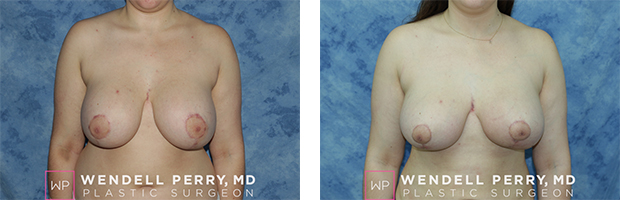
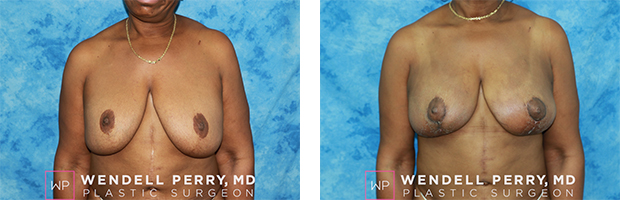
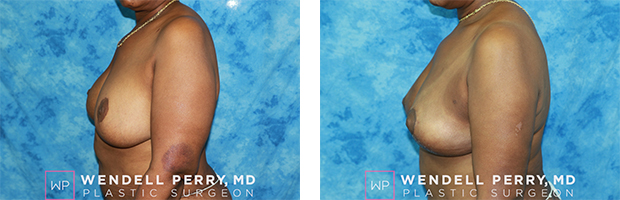
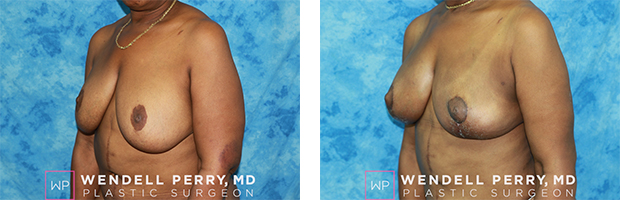
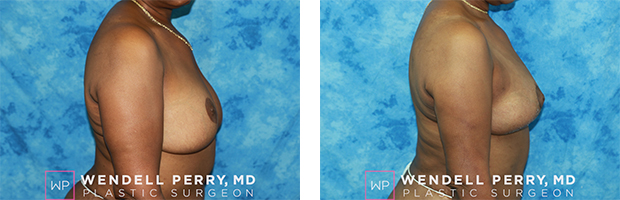
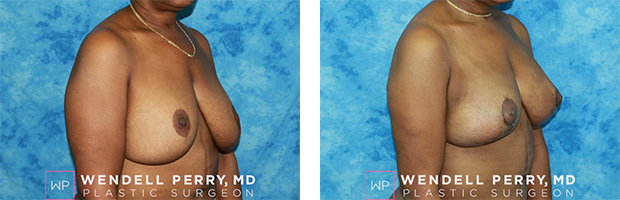
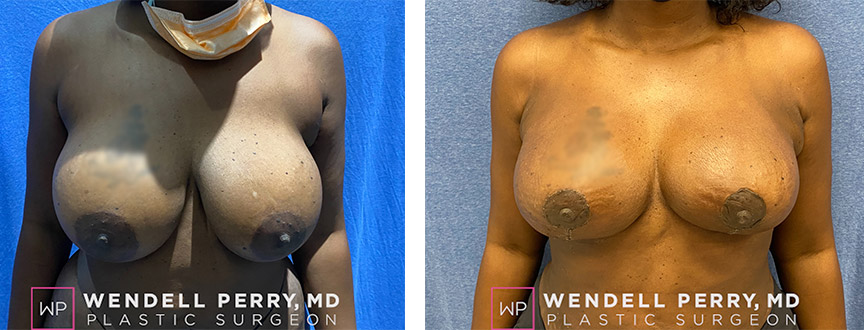


 GALLERY
 LOCATIONS